Thinking about buying a Harrisburg duplex as your first investment? You are not alone, and for good reason. A duplex can give you a practical entry point into real estate, but in Harrisburg, success depends on understanding older housing, local rules, and how rental income affects the numbers. This guide will walk you through the basics so you can evaluate opportunities with more confidence. Let’s dive in.
Why Harrisburg Duplexes Appeal to Beginners
Harrisburg has several traits that can make duplexes worth a closer look for first-time investors. It is a renter-heavy city, with an owner-occupied housing unit rate of 36.6% in the 2020-2024 ACS. The city’s 2023-2027 Consolidated Plan draft also shows that 2-4 unit properties make up 4,054 of 25,044 residential properties, or 16% of the local housing stock.
That matters because it means small multifamily property is not a rare niche here. It is a meaningful part of the market. For a beginner, that creates more opportunities to find a duplex that works as a house hack, long-term rental, or future step-up investment.
Understand What Counts as a Duplex
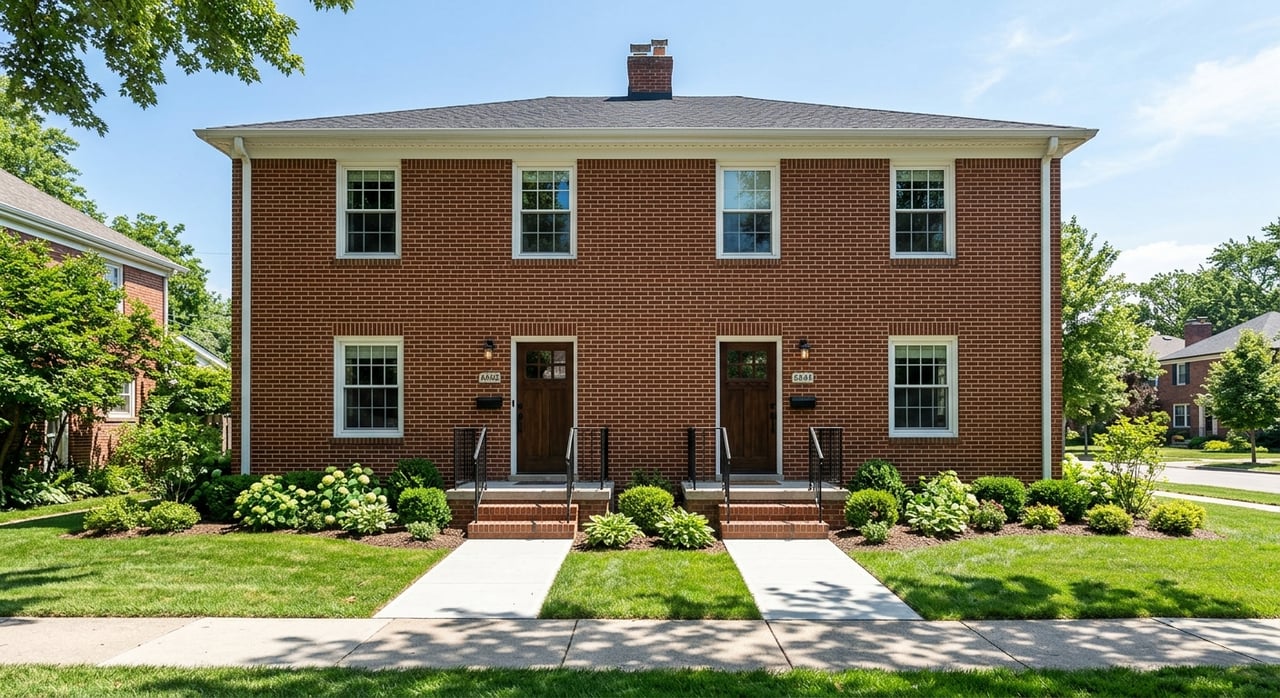
Before you make an offer, it helps to know how Harrisburg classifies these properties. Under the city’s zoning code, a duplex is a semi-detached, twin dwelling, or duplex with one dwelling unit attached to exactly one additional dwelling unit. The code separately defines a multifamily dwelling as two or more units in one building.
This distinction can affect what you can do with a property. In some cases, a building that looks like a duplex to a buyer may fall under a different zoning or use category. If you are considering a conversion or a property with unusual layout history, that detail becomes especially important.
Zoning Can Change Your Plans
Harrisburg allows multifamily dwellings by special exception in the RM and RF districts and by right in the CN and DC districts. The code also allows certain existing detached, semi-detached, and attached dwellings to be converted to multifamily use if they meet size and unit-count rules.
For you, that means the investment story is not just about bedrooms and rent. It is also about whether the current use is compliant and whether your future plans fit the zoning. A duplex that works well on paper still needs to work under the city code.
Historic Districts Add Another Layer
Harrisburg has six municipal historic districts. If a duplex sits in one of them, visible exterior changes may be subject to historic-district regulations.
That does not automatically make the property a bad investment. It simply means your timeline, budget, and renovation plan may need more care. Even routine exterior updates can involve an added review path.
Older Housing Is the Big Local Reality
One of the most important things to understand about Harrisburg duplex investing is the age of the housing stock. The city’s planning data says 86% of renter-occupied units and 94% of owner-occupied units were built before 1980.
That age can create opportunity, but it also raises the stakes on due diligence. Many beginner buyers focus on paint, flooring, and kitchens first. In Harrisburg, it is often smarter to pay just as much attention to systems, structure, and code-related issues.
What Older Properties Often Mean
When you are reviewing a potential duplex, expect the possibility of:
- Deferred maintenance
- Older plumbing, electrical, or heating systems
- More renovation planning
- Lead-related compliance questions
- Additional permit or inspection needs
This does not mean every older duplex is a problem. It means you should underwrite repairs and improvements with realistic numbers rather than assuming a light cosmetic update will cover everything.
How To Analyze a Harrisburg Duplex Deal
A beginner-friendly duplex purchase should be looked at as both a home and a small income property. For two- to four-unit properties, Fannie Mae requires the income approach in valuation. That makes rent quality and lease stability a central part of the appraisal picture.
In simple terms, the numbers matter from more than one angle. You are not only asking, “Do I like this property?” You are also asking, “Do the current or projected rents support the value and financing?”
Focus on Rent Records
If you plan to live in one unit and rent the other, clean documentation becomes very important. Fannie Mae guidance says rental income used to qualify for a 2-4 unit primary residence has no restrictions, and common documentation can include management-company verifications, bank statements, cancelled checks, and evidence of property taxes.
For you, that means a seller’s rent roll alone may not be enough. It helps to review lease terms, payment history, and any supporting records that show the income is real and stable.
Property Taxes Need Parcel-Level Review
Property taxes are a major underwriting item in Harrisburg. Dauphin County’s 2025 millage sheet shows that City of Harrisburg parcels are taxed with separate land and building millage rates, and the county uses a 100% assessment ratio. The county treasurer also notes that real estate bills are issued annually.
The takeaway is simple. Do not assume a generic tax estimate will tell you what a duplex will cost to hold. Review taxes for the specific parcel so your projected cash flow is grounded in the actual property.
Financing Options for First-Time Duplex Buyers
For many beginners, owner-occupant financing is the most realistic entry point. HUD says FHA-insured loans can be used on 1-4 unit properties, with down payments as low as 3.5%.
That can make duplex ownership more accessible if you want to live in one unit and rent the other. It is one reason house hacking remains a common first step for buyers who want rental income without jumping straight into a larger investment property.
Get Preapproved Before You Shop
Financing preparation matters just as much as loan type. The CFPB says sellers frequently require a preapproval letter before accepting an offer.
If you are serious about buying a Harrisburg duplex, getting preapproved early can help you move faster and write cleaner offers. It also gives you a better sense of what price range fits your budget and long-term plan.
Inspections and Rehab Planning Matter Here
Because Harrisburg has so much older housing, inspections carry extra weight. The CFPB says buyers can include an inspection contingency, and if the purchase contract is contingent on a satisfactory inspection, the buyer can cancel without penalty if they are not satisfied with the results.
For a beginner investor, that contingency can be a valuable layer of protection. It gives you time to understand whether the property has manageable issues or whether the rehab picture is much larger than expected.
Permits Can Affect Your Timeline
If the duplex needs work, permit timing matters. Harrisburg’s Bureau of Codes says residential permit applications are generally approved within 15 business days, or within 5 business days if the application is stamped by a licensed design professional. Projects that trigger historic-review scrutiny can take longer.
This is important when you are budgeting for vacancy, move-in dates, or contractor schedules. A good deal can still become frustrating if your renovation timeline is unrealistic from the start.
What Happens After Closing
Buying the duplex is only the beginning. Harrisburg has a real compliance checklist for rental property owners, and it is best to understand it before closing day.
That post-closing work can feel minor compared with financing and inspections, but it directly affects how quickly you can operate the property correctly. For a first-time owner, clarity here can save time and stress.
Rental Registration and Licensing
Harrisburg’s Bureau of Codes says that if a purchased property is not condemned, it must be registered as a rental unit within 10 days of purchase. The city’s licensing bureau also administers landlord licensing, and the landlord-license materials describe that license as a separate rental requirement.
That means registration and licensing are not the same thing. If you are buying a duplex to rent out one or both units, plan for both steps as part of your early ownership checklist.
Lead Disclosure and Older Units
For older properties, lead-related compliance deserves early attention. EPA rules require sellers, landlords, agents, and property managers to disclose known lead information before a lease or sales contract is signed for most pre-1978 housing.
Harrisburg also operates a Lead Safe Program that offers free lead inspections and risk assessments for qualifying rental or privately owned property. In a city with so much older housing, this is not a side issue. It is part of responsible ownership.
Security Deposit Rules in Pennsylvania
Pennsylvania’s Landlord and Tenant Act limits residential security deposits to two months’ rent during the first year and one month’s rent in the second and later years. Deposits over $100 must be held in a regulated escrow account.
The law also requires landlords to provide an itemized statement and return any excess within 30 days after lease termination. If that does not happen, there can be double-damages liability. For a beginner landlord, solid records and a clear lease process are essential.
A Smart Beginner Strategy
If you are new to investing, a Harrisburg duplex can make sense when you stay disciplined. Look for a property with understandable rent potential, realistic repair needs, and a use that fits local zoning and code requirements.
It also helps to think beyond the purchase price. In this market, your success often comes from careful review of taxes, leases, permits, registration steps, and the true condition of an older building. The buyers who do well here are usually the ones who stay organized and ask the right questions early.
If you want local guidance while you compare duplex opportunities in Harrisburg or the surrounding corridor, Ellen Stover can help you evaluate the numbers, the property, and the process with clear, practical advice.
FAQs
What makes Harrisburg duplexes attractive for beginner investors?
- Harrisburg has a renter-heavy market, and 2-4 unit properties make up 16% of the city’s residential stock, which gives beginners a meaningful pool of small multifamily opportunities.
How does Harrisburg define a duplex?
- Harrisburg zoning defines a duplex as one dwelling unit attached to exactly one additional dwelling unit, while multifamily dwellings are classified separately.
Why do older Harrisburg duplexes require extra caution?
- Because most local housing was built before 1980, buyers should expect a higher chance of deferred maintenance, older systems, lead-related concerns, and added compliance or permit questions.
How is a Harrisburg duplex valued during financing?
- For two- to four-unit properties, Fannie Mae requires the income approach in valuation, so rent quality and lease stability play an important role in appraisal.
Are property taxes in Harrisburg important for duplex cash flow?
- Yes. Dauphin County uses parcel-specific tax treatment with separate land and building millage rates in the City of Harrisburg, so taxes should be reviewed for the exact property.
Can you buy a Harrisburg duplex with FHA financing?
- Yes. HUD says FHA-insured loans can be used for 1-4 unit properties, with down payments as low as 3.5% for qualified buyers.
What rental steps are required after buying a Harrisburg duplex?
- If the property is not condemned, Harrisburg requires rental-unit registration within 10 days of purchase, and landlord licensing is a separate city requirement.
What should beginner duplex buyers know about Pennsylvania security deposits?
- Pennsylvania limits security deposits to two months’ rent in year one and one month’s rent after that, requires certain deposits to be held in escrow, and sets deadlines for itemized returns after move-out.